
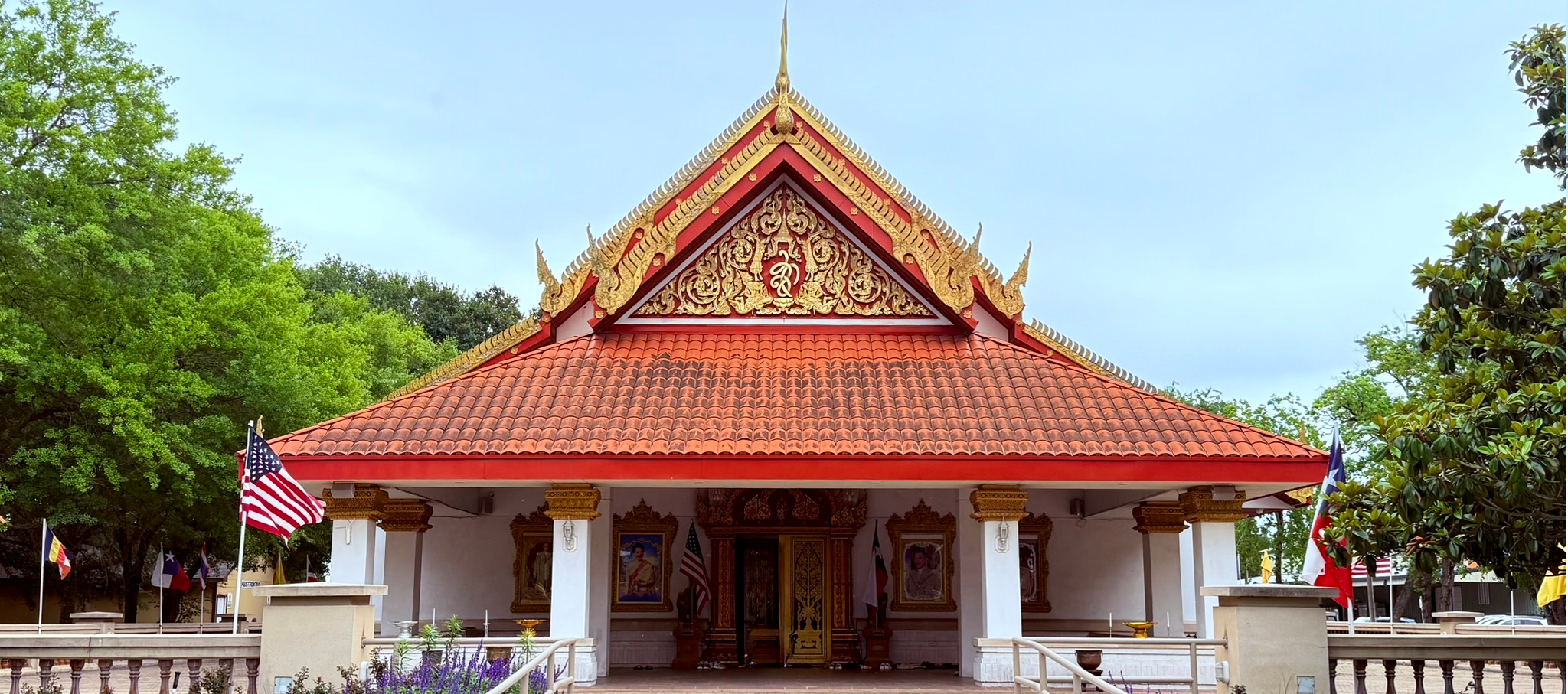
Welcome to
Wat Buddhavas of Houston
We are honored to welcome you to our temple, a place of peace, wisdom, and community. Wat Buddhavas serves as a spiritual sanctuary for those seeking guidance in the teachings of the Buddha, fostering mindfulness, compassion, and harmony in everyday life.
Whether you are here to deepen your practice, learn about Thai Buddhist traditions, or simply find a moment of tranquility, we invite you to explore our sacred space. Join us in meditation, cultural celebrations, and community activities that nourish the soul and bring people together.
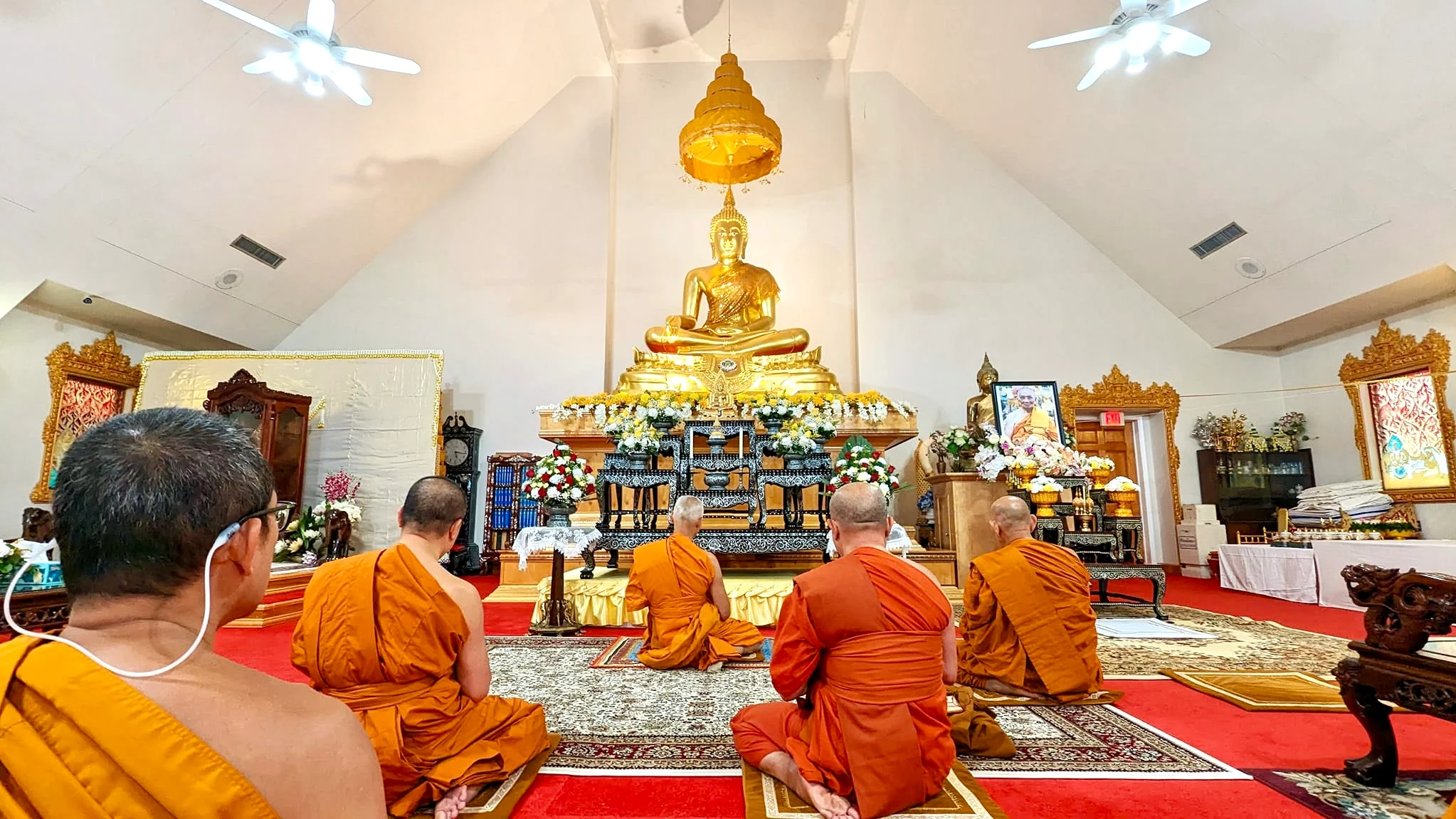
Choose Your Way
Guided by the Buddha
The Buddha guided people toward both worldly happiness and spiritual fulfillment, encouraging each individual to choose a way of life that suits their own path and abilities.
Sunday School
Join us each week for Sunday School where children learn Buddhist values, explore Thai culture, and practice the Thai language through fun, interactive lessons. It’s a welcoming space that nurtures both heart and heritage.

Prayers
Daily prayers offer a peaceful rhythm to our community’s spiritual life. Through chanting and reflection, we honor the teachings of the Buddha while cultivating mindfulness, compassion, and gratitude. Visitors are welcome to join us in this meaningful practice, whether seeking quiet contemplation or collective devotion.

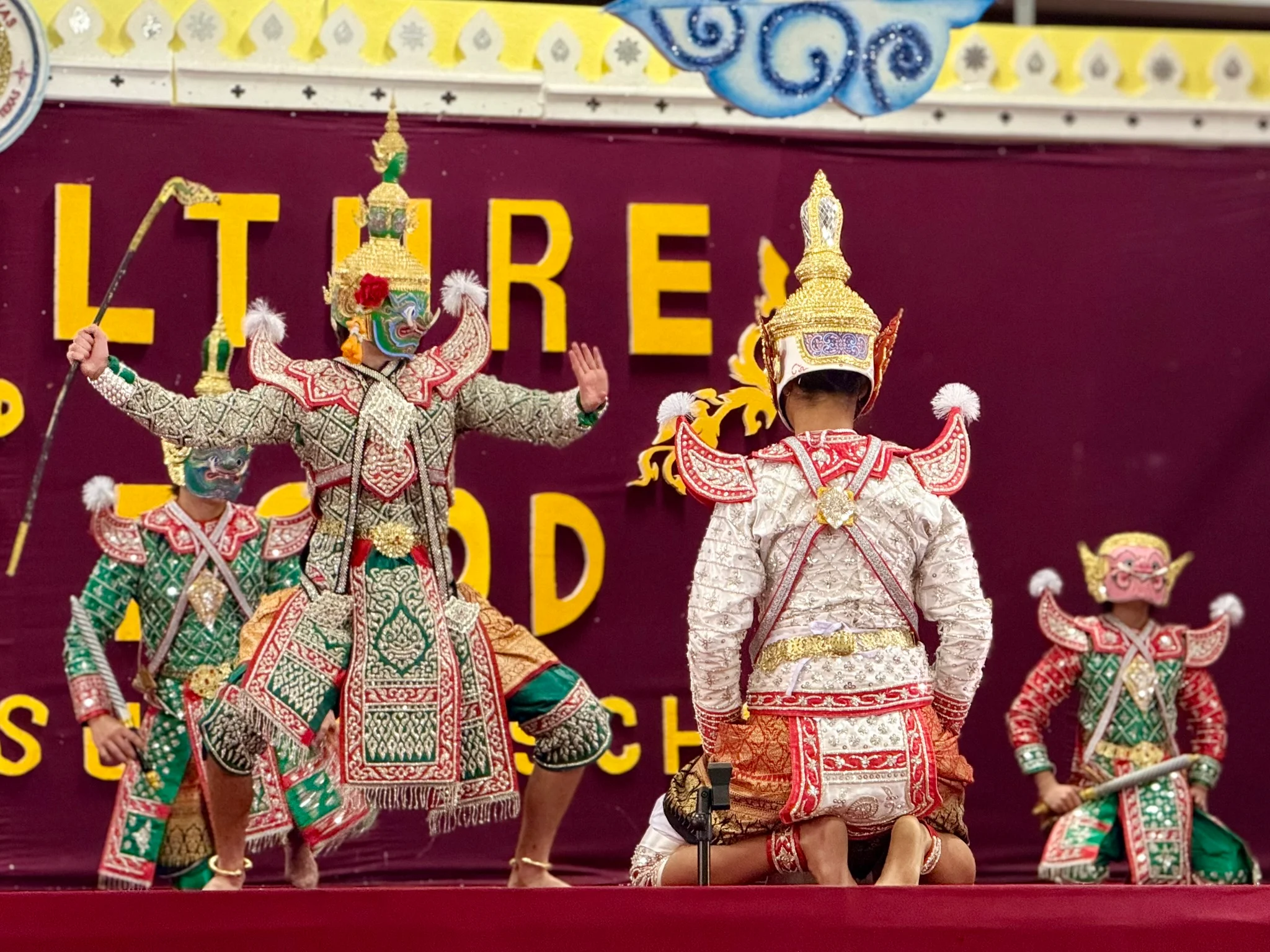
Thai Events
Wat Buddhavas proudly hosts traditional Thai celebrations throughout the year, bringing the community together to honor cultural heritage and spiritual values. From Songkran (Thai New Year) and Loy Krathong to dance performances and food festivals, these events offer a joyful blend of ritual, art, and connection. Everyone is welcome to join in the festivities, learn more about Thai customs, and share in the spirit of community.

Our Community
Family is at the heart of our temple life at Wat Buddhavas. Whether gathering for prayers, celebrating Thai traditions, or learning together in Sunday School, families help weave the fabric of our warm and welcoming community. We believe in nurturing all generations—offering a space where children, parents, and elders can grow spiritually and culturally, side by side.
Events
-
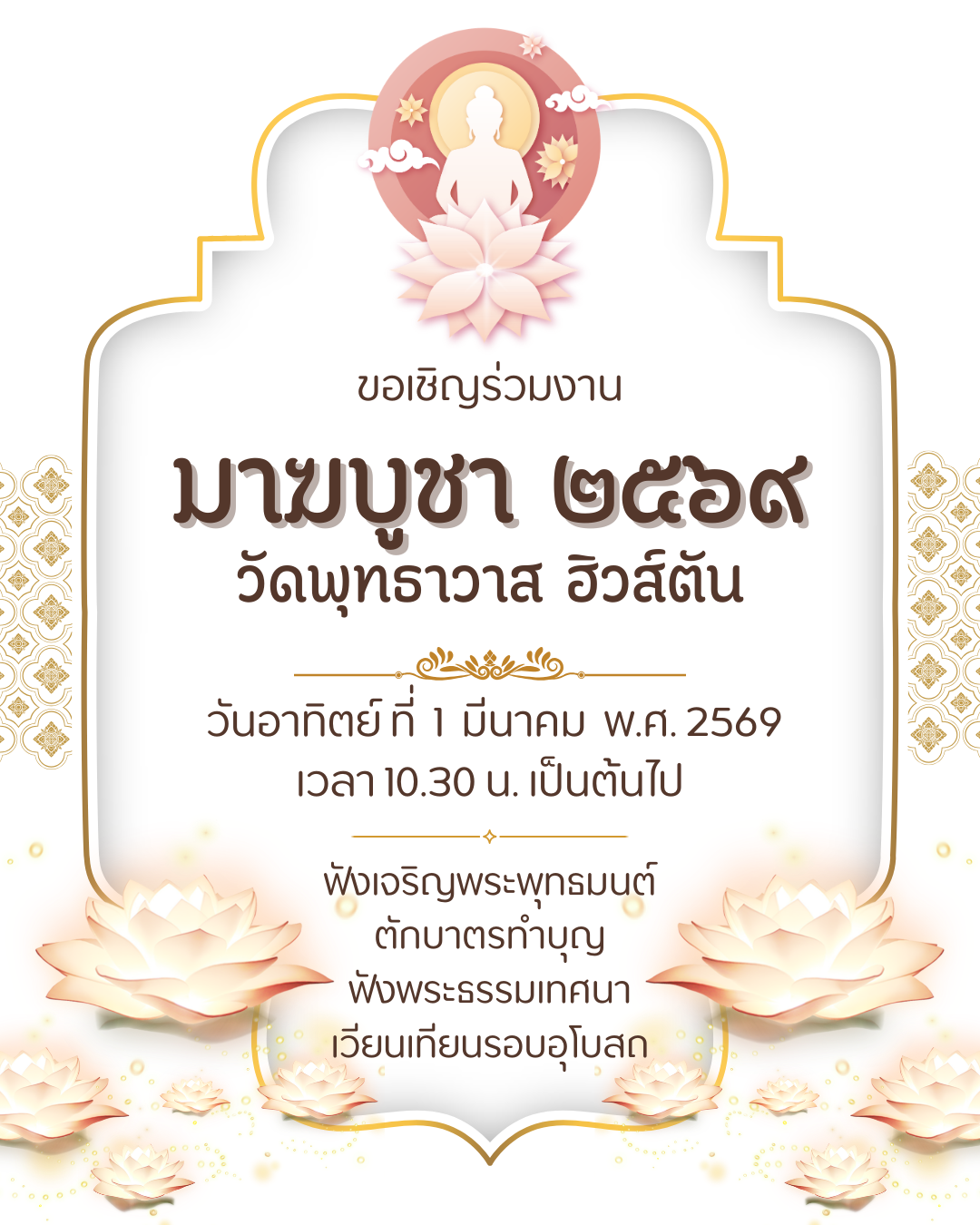
Magha Puja Day 2026 – March 1, 10:30am
Wat Buddhavas Houston warmly invites the community to join in the observance of Magha Puja Day 2026 on Sunday, March 1, 2026, beginning at 10:30 AM. This important…
-
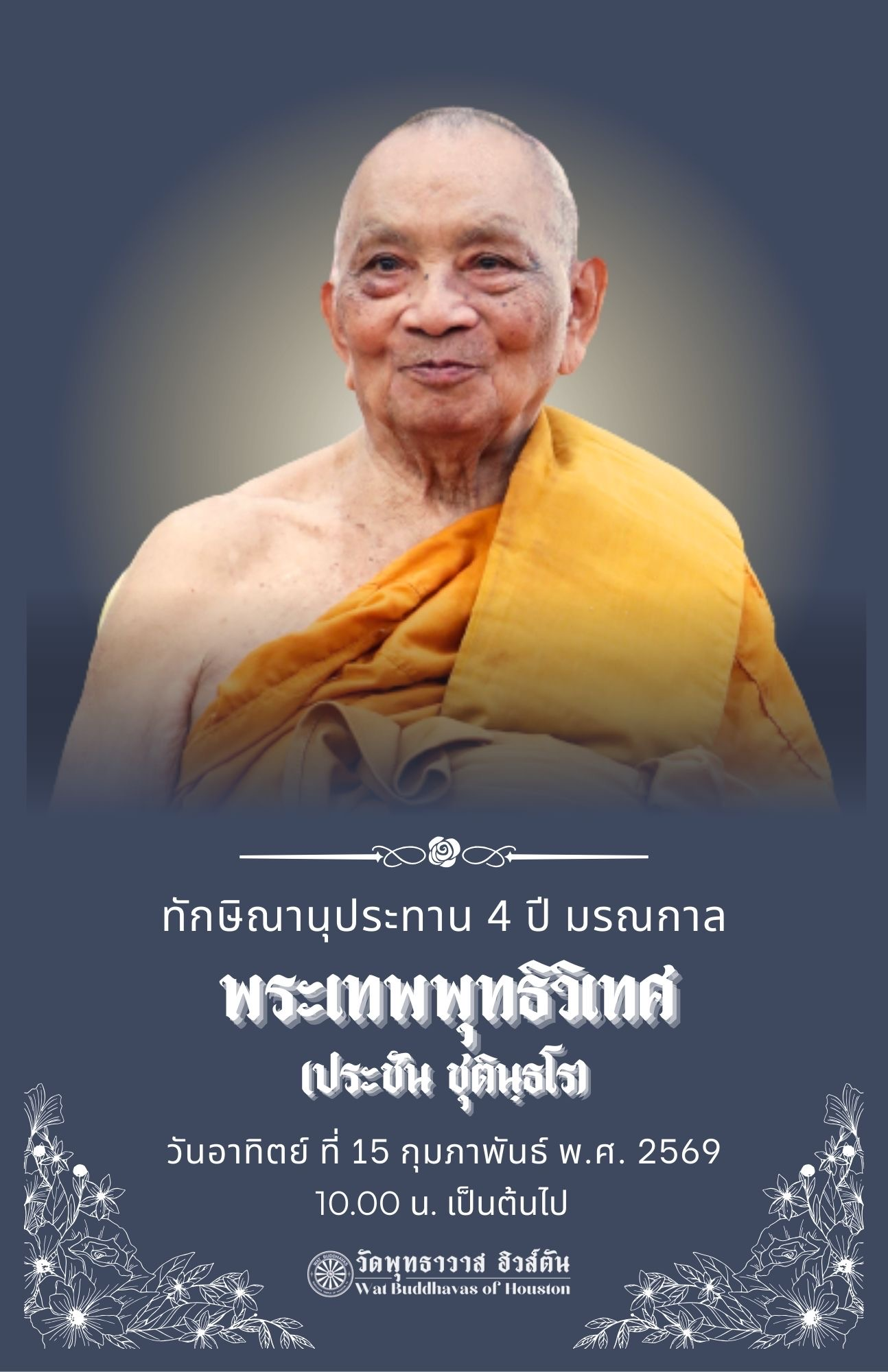
4th Anniversary Memorial Ceremony – February 15, 10:00am
4th Anniversary Memorial Ceremony for Phra Thepphuthiwithet (Prachan Chutintharo Kumchan) Former Abbot of Wat Buddhavas Houston and Former President of the Council of Thai Bhikkhus in the USA…
-
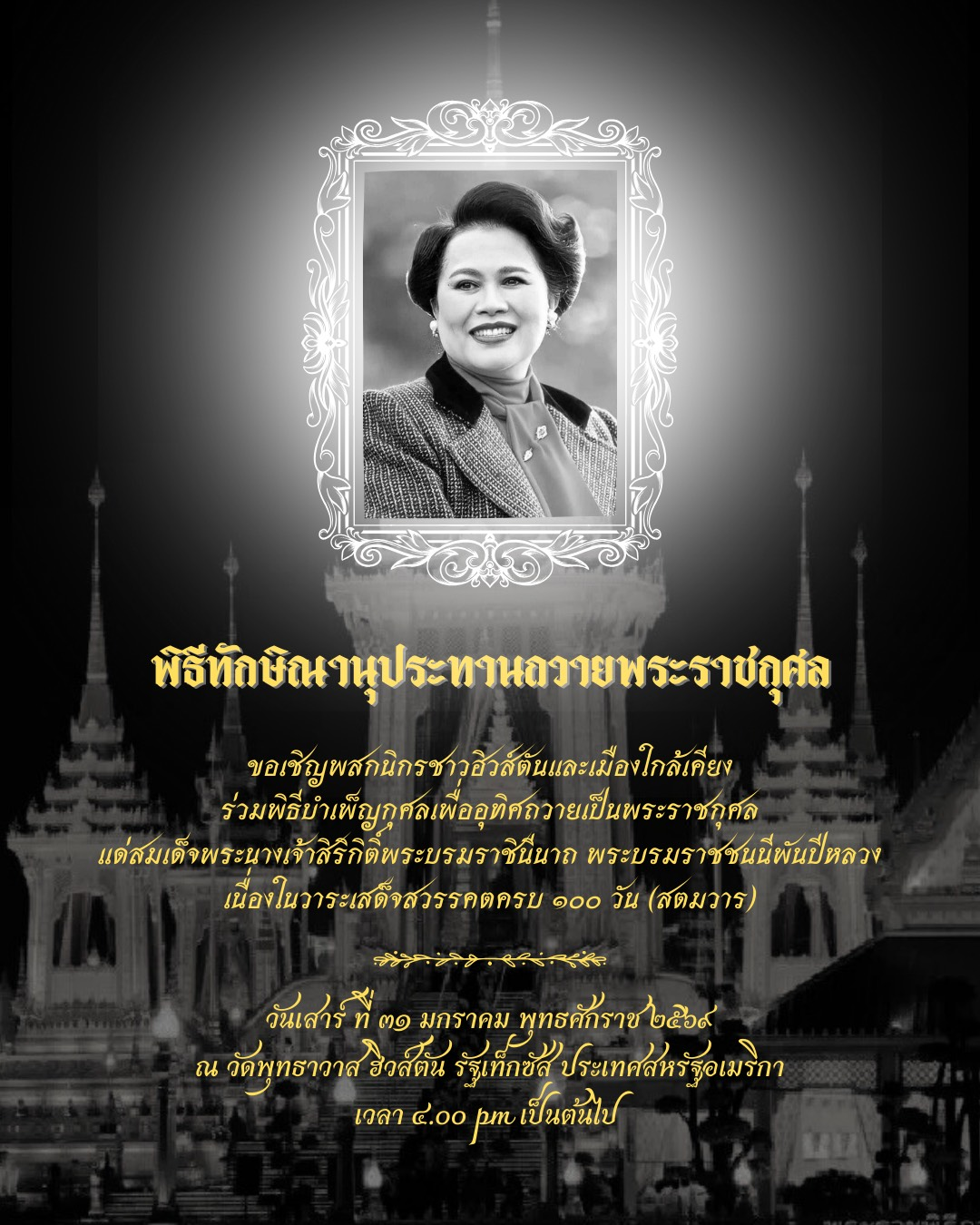
100‑Day Memorial Ceremony Honoring Her Majesty Queen Sirikit, January 31, 4:00pm
The Thai community of Houston and nearby cities is invited to join a merit‑making ceremony dedicated as a royal offering in honor ofHer Majesty Queen Sirikit, The Queen…
-
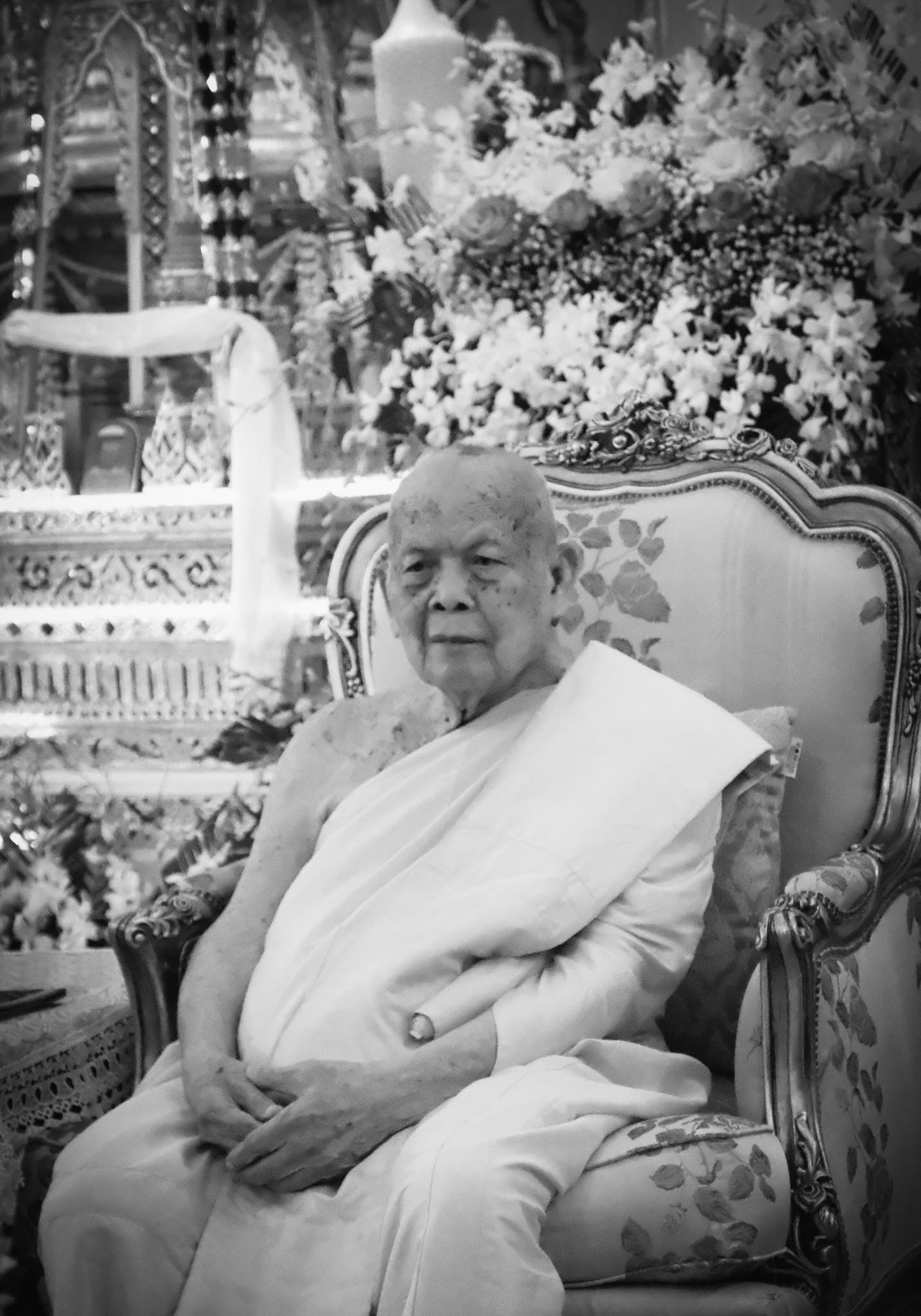
Abhidhamma Chanting & Memorial Service, January 18, 4:00pm
You are respectfully invited to attend the Abhidhamma chantingand to offer your condolences on the passing of Phra Thepmongkolwachirangsi(Luang Ta Chee Surasak Cheewananto) Former Chief Abbot of Wat…
-
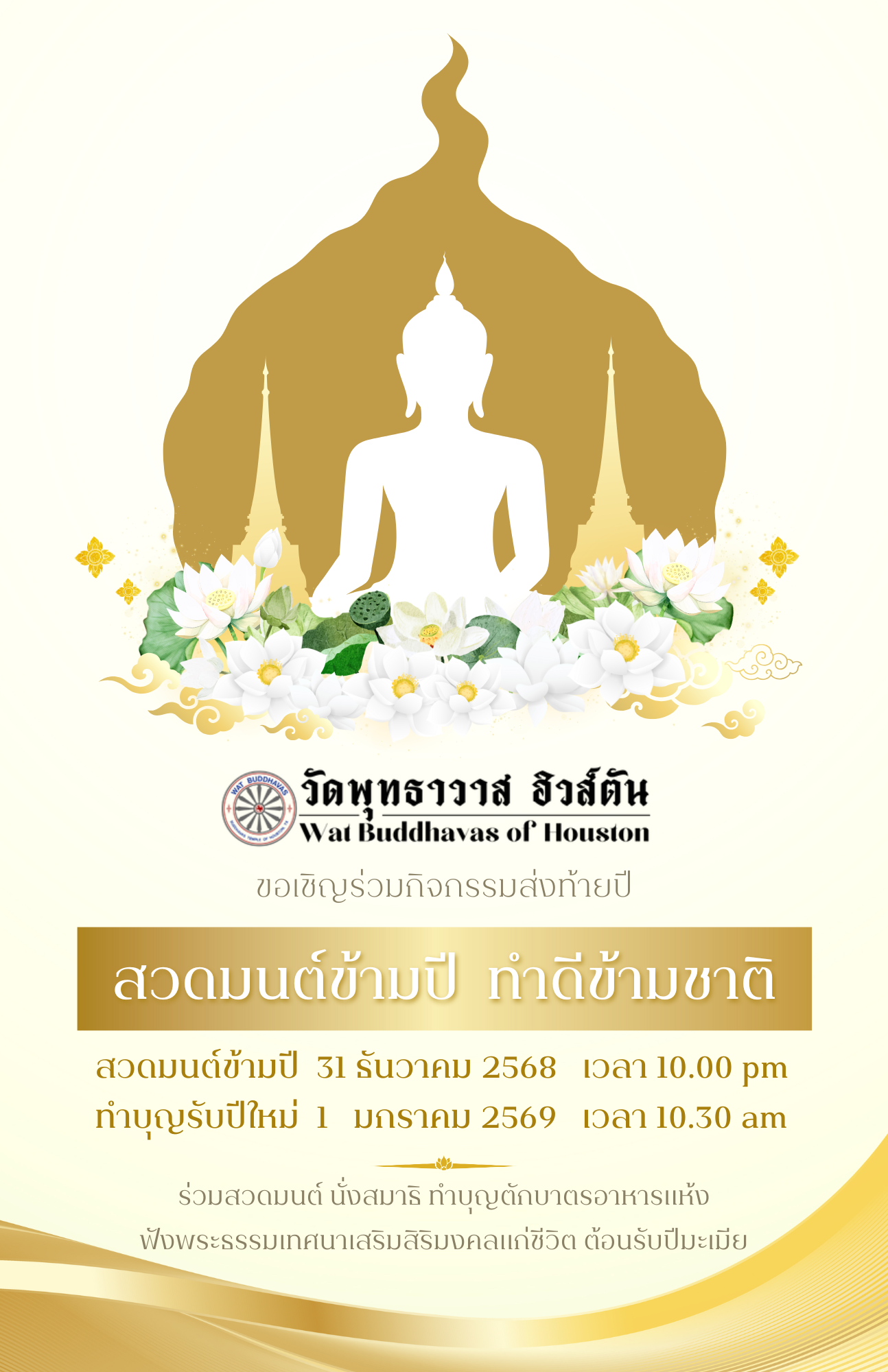
New Year 2026 Ceremonies – December 31 – January 1
Invites you to join our year-end merit‑making activities to welcome the New Year 2026 Wednesday, December 31, 2025 / from 10:00 PM onward Thursday, January 1, 2026 /…
-
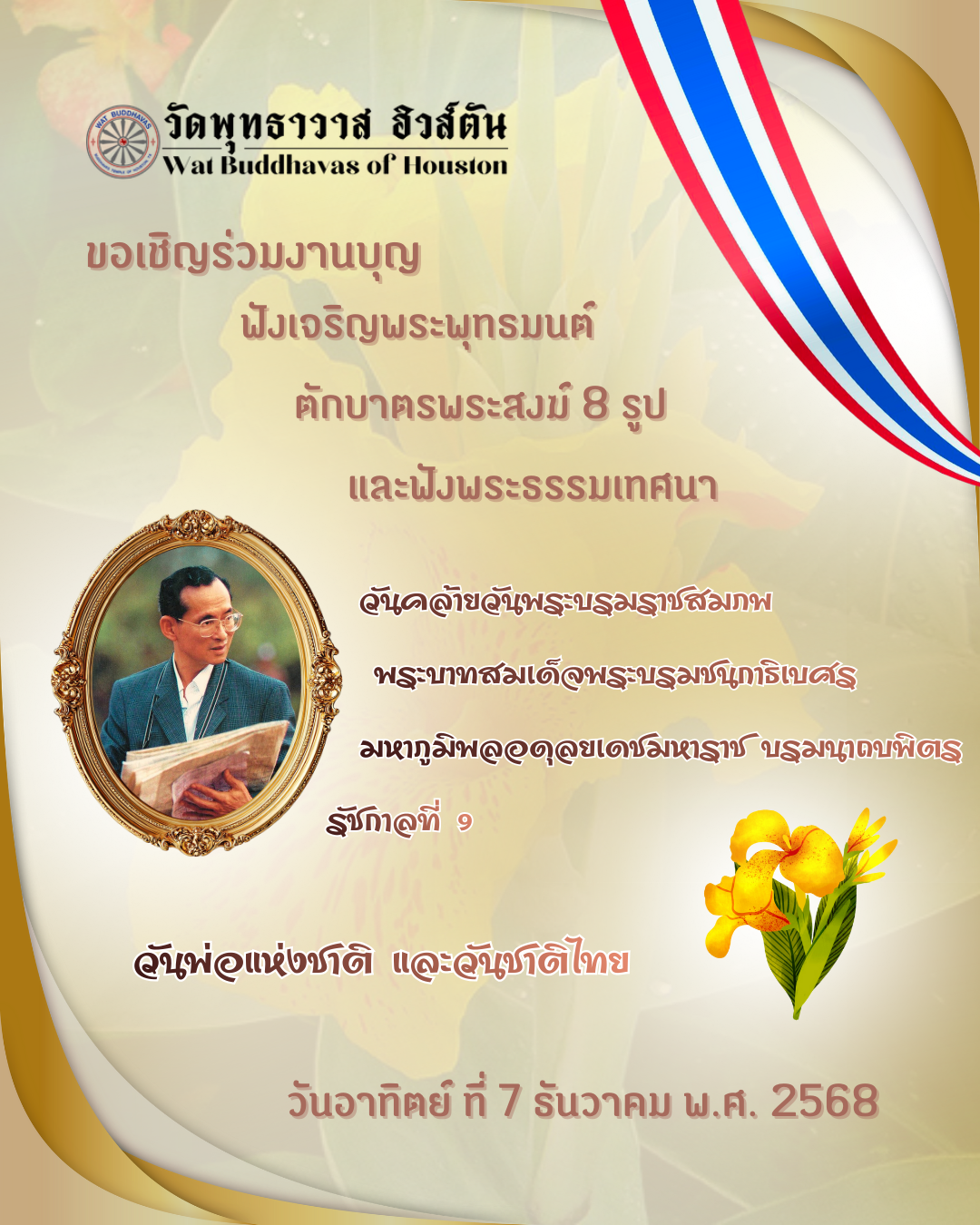
Father’s Day and Thai National Day – December 7
Wat Buddhavas of Houston Invites you to join a merit-making event In remembrance of the royal birthdayHis Majesty King Bhumibol Adulyadej the GreatKing Rama IX of Thailand In…

